
Global Design system – W&I
Synopsis
#UX, #Lead, #Design System
A major milestone for the growth of Design within the bank
I was the Design Lead / Manager for the first ‘Wealth & Insurance Design Toolkit’: 1 of 5 product/design team toolkits, culminating to create the first global design system for the bank.
The challenge was to do this piece of work whilst NOT disrupting in-flight design & builds
Team
UI Design Lead
+ DCE team collaboration
My role in this project
Making the initiative happen,
Responsibility for W&I Toolkit,
Problem
No Design System
Across the bank, products and services had been designed in ‘pockets’ with brand guidelines only (no design system). As such, designs, components and usage evolved without control. With stakeholders pushing and pulling for the latest and greatest designs or their own ideas, how far this was enabled depended on the strength of designer in the team at the time. Results varied wildly.
Approach
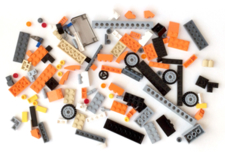
The ‘Toolkit’ Concept
Jumping to ‘Rolls Royce’ is impractical: The eventual goal is one global design system that caters for all – but this wasn’t something that could be slotted in to a structure like the bank’s, with obvious resistance to this from stakeholders, POs with in flight deliverables and even across different factions of our global design team.
necessary core components
Programme Design Toolkits are a starting point for each team to onboard and own their toolkit, gradually evolving toward a mature consolidated design system.
- Leading design work should be curated, standardised and shared – so all teams can easily use
- Influence travels both upwards & downwards; creating efficient design and consistent CX and UX for customers
- Great design work happens within real projects, driven by customer centric design thinking
- Design standards enable consistency of design and are a centralised focus for evolution
Audit, Analysis & Consolidation
Full audit and analysis was the first task – with our full team contributing. Myself and our strongest UI designer then assessed with an objective view across all in flight and live experiences – leaving us with:
- List of changes for each product backlog
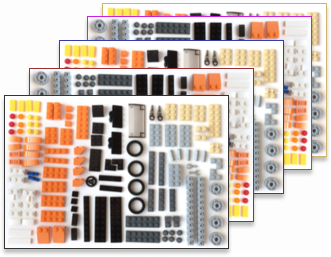
- A working draft of what we believe to be best practice and most necessary components
necessary core components
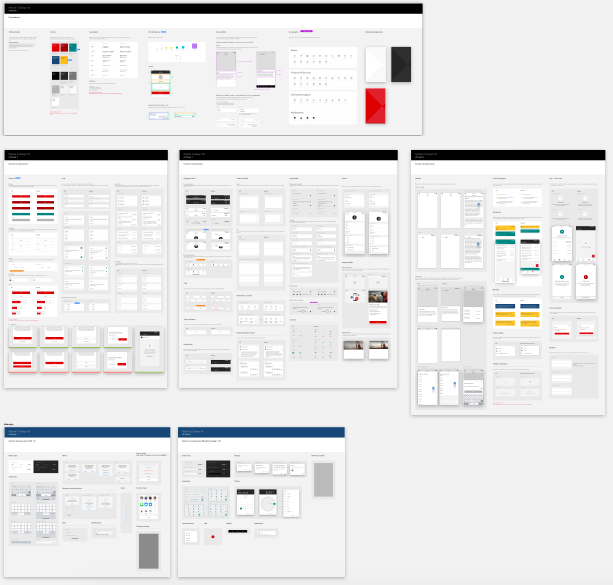
WIP Design Toolkits: across programmes
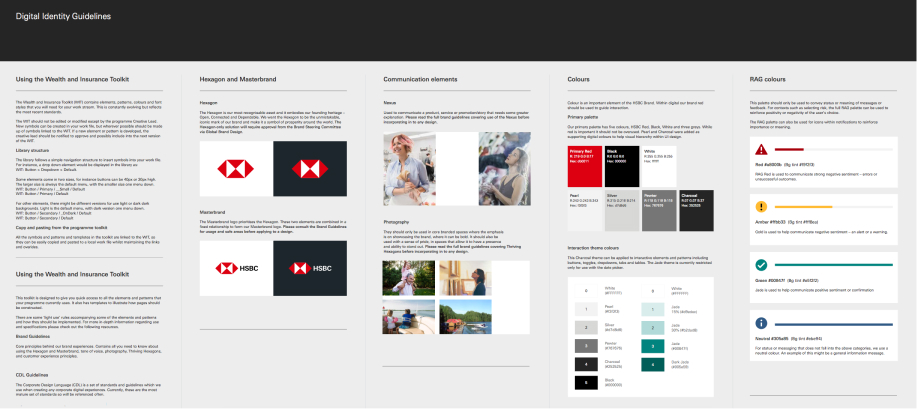
Every major programme, of which W&I was one, were able to begin working with a work in progress Design Toolkit.
Alongside this I worked with adjacent programme design leads to sync and find common ground, with gradual improvement and across toolkits.
Toolkit Processes Established
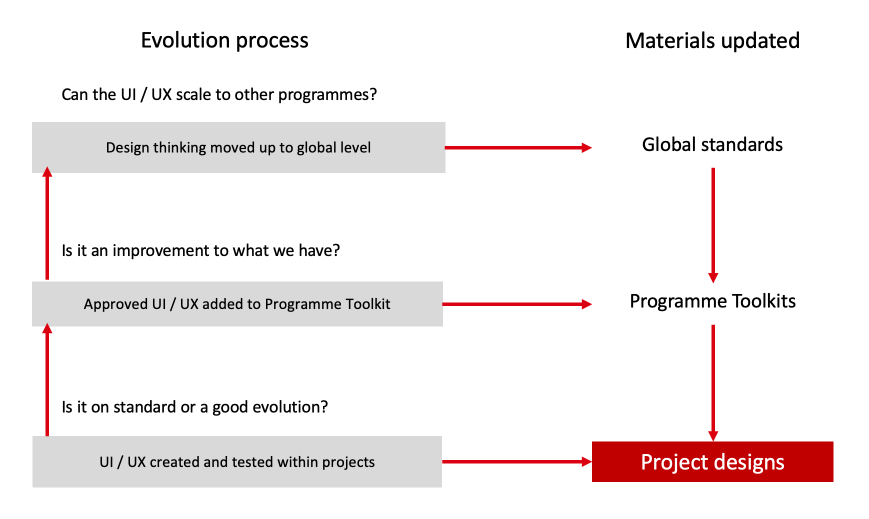
To make sure this didn’t impact in-flight projects, it was important to establish a change and management process
The Impact
Design system 1.0 & build library
As with all change, it took some getting used to across our PO team. The initiative was well supported with everyone keen to streamline and push our efficiency.
Once this translated over to the build team component libraries amongst our programme teams, it began to make a real difference to build estimates, cost and pace.
Within 6 months of usage, circa 15% / 20% reduction in typical design team and build team estimates – cost & duration reduced.
WIP Design Toolkit for W&I had near-immediate impact
Stepping stone to Global Design System 2.0
The whole initiative was vital first step to get each programme team (historically very competitive with peers) focussed on working toward a higher purpose than the CX/UX within their remit.
As one of several design leaders pushing for a more holistic CX & service design approach, this was a massive win and stride in the right direction